

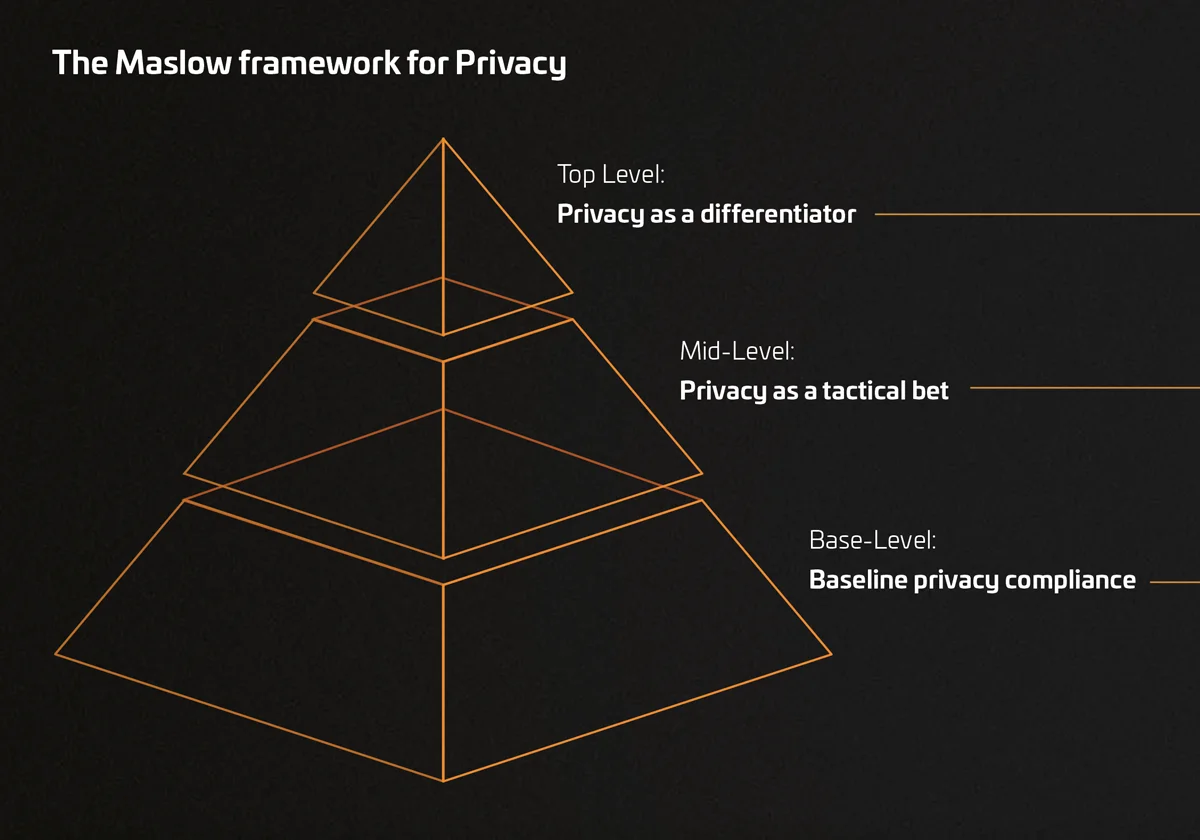
Adopting Privacy-by-Design Legal Frameworks is no longer a mere compliance exercise; it is a fundamental shift towards building enduring trust with users and customers. From my vantage point, working with diverse organizations across various sectors, I’ve seen firsthand how proactive integration of privacy into system design not only mitigates risk but also fosters genuine customer loyalty and market differentiation. This strategic approach ensures data protection is woven into the very fabric of operations, rather than bolted on as an afterthought.
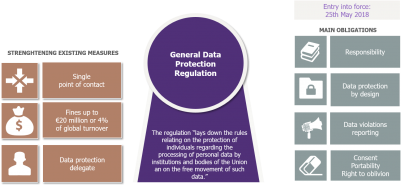
Adopting Privacy-by-Design Legal Frameworks builds trust and ensures compliance. Learn practical steps for robust data protection globally.
Overview
- Privacy-by-Design Legal Frameworks integrate data protection into system architecture from the outset.
- These frameworks address compliance requirements like GDPR and CCPA, which are prominent in the US and globally.
- Proactive privacy measures build customer trust and enhance brand reputation.
- Successful implementation involves strategic alignment, stakeholder education, and continuous monitoring.
- Adopting PbD principles helps organizations manage data risks effectively and foster innovation responsibly.
- Legal frameworks increasingly mandate a shift from reactive to proactive data handling.
Aligning Business Strategy with Privacy-by-Design Legal Frameworks
Integrating Privacy-by-Design Legal Frameworks into an organization’s core strategy represents a crucial step for long-term viability and ethical operation. This isn’t just about avoiding penalties; it’s about creating a business model rooted in integrity. We’ve often observed that companies treating privacy as a strategic asset gain a significant competitive edge. It involves a top-down commitment, ensuring that leadership fully understands the implications of data processing across all functions.
This strategic alignment requires mapping data flows, identifying privacy risks early, and assigning accountability for data protection. It also means educating development, marketing, and legal teams on the importance of these principles. For instance, when launching new products, the privacy team should be involved from concept inception, not just during final legal review. This proactive involvement ensures that privacy requirements are inherent, preventing costly redesigns or potential regulatory conflicts later on. The US landscape, with evolving state-level regulations, highlights the necessity of such an integrated approach.
Understanding the Core Principles of Proactive Privacy
While the phrase Privacy-by-Design Legal Frameworks might suggest a purely legal interpretation, its foundation lies in seven core principles of proactive privacy. These include proactive, not reactive measures, privacy as the default setting, privacy embedded into design, full functionality without compromising privacy, end-to-end security, visibility and transparency, and respect for user privacy. These are the operational tenets that guide developers, product managers, and data handlers.
Applying these principles means, for example, designing systems where user consent is explicit and granular, not hidden in lengthy terms and conditions. It means using pseudonymization or anonymization where possible to minimize data exposure. Furthermore, it involves ensuring that all data processed is done so for a specified purpose, is minimal for that purpose, and is deleted when no longer required. These practical applications demonstrate a genuine commitment to individual privacy rights, moving beyond mere checkbox compliance.
Practical Steps for Implementing Privacy-by-Design Legal Frameworks
Implementation of Privacy-by-Design Legal Frameworks involves a structured methodology, translating abstract principles into tangible actions. First, conduct a thorough Data Protection Impact Assessment (DPIA) for any new project or significant change involving personal data. This helps identify and mitigate risks upfront. Second, establish clear data governance policies that define roles, responsibilities, and procedures for data handling throughout its lifecycle.
Third, embed privacy controls directly into software development lifecycles, often referred to as ‘security by design’ which inherently includes privacy. This means using privacy-preserving technologies and architectural patterns. For example, ensuring encryption at rest and in transit, access controls, and regular security audits. Finally, foster a culture of privacy awareness within the organization through ongoing training. Employees must understand their role in protecting personal data. Without this holistic approach, even the most robust legal frameworks can falter in practice.
Future Trends and the Evolution of Privacy-by-Design Legal Frameworks
The landscape surrounding Privacy-by-Design Legal Frameworks is continuously evolving, driven by technological advancements and shifting societal expectations. We are seeing a move towards more granular control for individuals over their data, often facilitated by privacy-enhancing technologies (PETs). This includes federated learning, secure multi-party computation, and zero-knowledge proofs, which allow data analysis without exposing raw personal information.
Regulators worldwide are also increasingly emphasizing accountability and demonstrable compliance, pushing organizations beyond aspirational statements to concrete evidence of privacy integration. Artificial intelligence and machine learning pose new challenges, necessitating the development of specific PbD guidelines for ethical AI development. Organizations that anticipate these trends and proactively adapt their privacy strategies will be better positioned to build and maintain trust in an increasingly data-centric world.