


Millimeter-wave (mmWave) radar technology offers a compelling solution for sensing human presence without relying on cameras. As an engineer who has worked with these systems from concept to deployment, I’ve seen firsthand how they address critical needs for privacy, reliability, and accuracy in various environments. This approach utilizes high-frequency radio waves to detect movement, breathing patterns, and even subtle micro-motions, providing robust data without capturing personally identifiable visuals. It represents a significant shift in how we approach occupancy and safety monitoring.
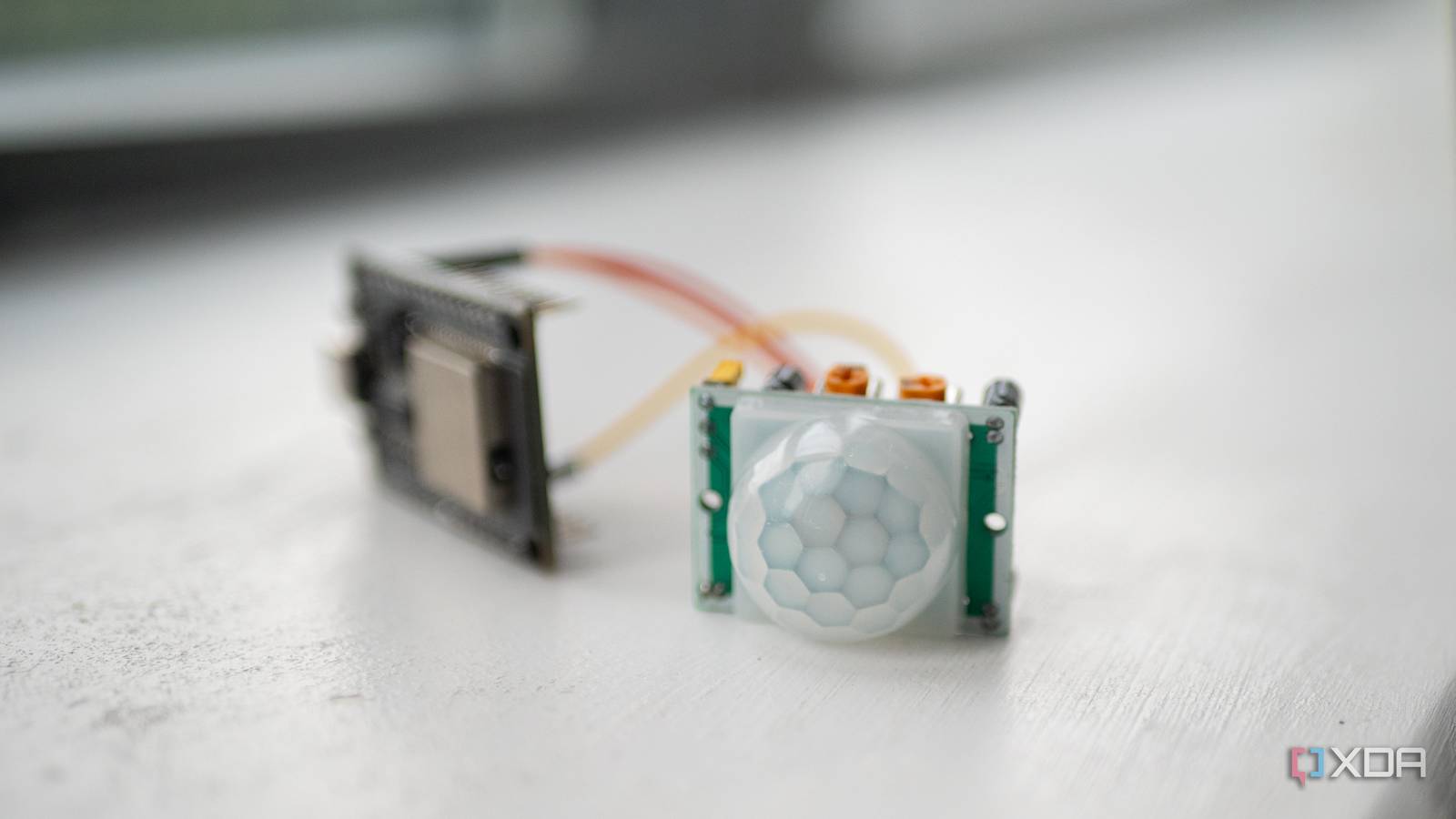
Overview
- Presence Sensing without Cameras (mmWave) uses high-frequency radar to detect human presence.
- This technology provides superior privacy by not collecting visual data.
- It operates reliably in diverse conditions, including darkness or smoke.
- Key applications include smart homes, commercial buildings, and assisted living.
- MmWave sensors detect subtle movements, breathing, and heartbeats.
- Deployment requires careful consideration of sensor placement and environmental factors.
- The technology is gaining traction in the US and globally for its unique advantages.
- It significantly improves energy efficiency and safety systems.
The Technical Foundations of Presence Sensing without Cameras (mmWave)
MmWave radar operates in frequency bands typically above 24 GHz, often extending into 60 GHz and 77-81 GHz. These frequencies allow for small antenna sizes and fine-grained resolution. The sensor emits radio waves that bounce off objects, including people, and return to the sensor. By analyzing the time of flight, phase shift, and frequency changes of these reflected signals, the system builds a detailed picture of the environment. Unlike passive infrared (PIR) sensors, which only detect motion and struggle with stationary individuals, mmWave can sense even minute movements like breathing. This makes Presence Sensing without Cameras (mmWave) exceptionally reliable for detecting truly static presence.
The core of a mmWave sensor includes a transmitter, receiver, and a digital signal processor (DSP). The DSP processes the raw radar data, filtering out noise and identifying characteristic human signatures. This processing allows differentiation between a person and, for instance, a pet or a curtain moving in a breeze. Advanced algorithms further refine this detection, enabling the system to report presence, distance, and sometimes even the direction of movement. This robust data forms the basis for accurate and dependable Presence Sensing without Cameras (mmWave) applications.
Real-World Applications of Presence Sensing without Cameras (mmWave)
From smart home automation to large-scale commercial building management, the applications are broad. In residential settings, a sensor can automatically adjust lighting or climate control when someone enters or leaves a room, optimizing energy use. It can also enhance security systems by differentiating between intruders and pets, reducing false alarms. For elderly care, mmWave sensors offer a dignified way to monitor residents’ well-being without intrusive cameras. They can detect falls or prolonged inactivity, alerting caregivers without compromising privacy. This ensures peace of mind for families and independence for individuals.
In commercial spaces, accurate occupancy data is invaluable. Building managers use Presence Sensing without Cameras (mmWave) to control HVAC systems and lighting based on actual room usage, leading to substantial energy savings. Meeting rooms, offices, and open-plan areas can all benefit. Furthermore, in environments where optical sensors struggle – such as smoky industrial facilities or areas with strong glare – mmWave radar maintains performance. Its ability to penetrate non-metallic materials also allows for discreet integration into walls or furniture, maintaining aesthetics while providing essential data.
Addressing Privacy and Deployment Challenges
The inherent privacy advantage of mmWave technology is a significant differentiator. By sensing presence through radio waves rather than visual light, these systems do not capture images or videos. This avoids many ethical and regulatory concerns associated with camera surveillance, making them ideal for sensitive areas like bedrooms, restrooms, or common areas in healthcare facilities. Users feel more comfortable knowing their privacy is respected. This aspect is particularly valued in a world increasingly conscious of data protection.
However, deployment is not without its challenges. Optimal sensor placement is crucial. Factors like wall materials, furniture layout, and potential sources of interference must be considered. While mmWave penetrates drywall, dense materials like concrete or metal can block signals. Multi-sensor deployments may be necessary for larger or complex spaces to ensure full coverage and prevent detection gaps. Calibration and fine-tuning of algorithms are often required during commissioning to adapt to specific environmental conditions. Despite these considerations, the benefits typically outweigh the implementation efforts, especially in the US market where privacy is a top concern.
Future Outlook for Advanced Occupancy Sensing
The trajectory for mmWave technology points towards even more sophisticated capabilities. Current research and development are focusing on distinguishing between multiple individuals in a room, identifying specific activities like sitting versus standing, and even monitoring vital signs with greater precision. Imagine a future where a sensor in a hospital room not only detects patient presence but also monitors their breathing rate and alerts staff to anomalies, all without any physical contact or visual intrusion. This level of detail opens up new possibilities for proactive care and personalized environments.
Standardization efforts and increased affordability of mmWave chips will further accelerate adoption. As these sensors become more compact and power-efficient, their integration into everyday objects will become seamless. The demand for intelligent, privacy-preserving solutions continues to grow across industries. This makes Presence Sensing without Cameras (mmWave) a cornerstone technology for the next generation of smart spaces, offering reliability and respect for personal space in equal measure.